
Generating more customer reviews for your local business does not have to be awkward or pushy. The most effective approach centers on respect, clear communication, and well-timed requests. Reviews are a foundational part of local marketing—helping boost your Google rankings, building trust, and driving more walk-ins or calls from customers who find you online. At Lakeshore Local SEO, we see firsthand that businesses that implement a simple, respectful review strategy see steady growth in both quantity and quality of their online feedback.
A great review generation plan ensures you ask at moments when customers genuinely appreciate your service, make it easy for them to leave feedback, and always keep the request honest and optional. Below, we share a detailed, actionable framework—as used and recommended by our team—so you can earn more reviews and strengthen your local reputation without putting off your valuable customers.

What Are Customer Reviews and Why Do They Matter?
Customer reviews are public feedback left by your clients on platforms like Google, Yelp, and Facebook. For local businesses, especially, reviews offer several major benefits:
- Local SEO impact: More and higher quality reviews directly improve your placement in Google local results and on Google Maps.
- Trust: Shoppers almost always read reviews before selecting a service, so positive testimonials help convert browsers to buyers.
- Insight: Honest feedback gives you clear signals on what your business does well and where you could improve.
For many businesses, reviews are the difference between being chosen and being overlooked. At Lakeshore Local SEO, we focus on building review strategies that help you get found online and stand out against competitors in your area.
Step-by-Step Framework for Earning More Customer Reviews (Without Being Pushy)
Step 1: Identify the Right Review Platforms
Claim your essential business profiles so customers always have a place to leave their review. Prioritize:
- Google Business Profile (most important for local search and Maps)
- Yelp (if you operate in a review-heavy industry like food, home services, or personal care)
- Facebook (especially if customers engage with your page)
- Relevant industry platforms (for example, Healthgrades for medical, Avvo for legal, etc.)
For Google, generate your direct review link by searching your business, accessing your profile, and using the “Get more reviews” option. Having this link ready streamlines every ask.
Step 2: Pinpoint “Moments of Peak Satisfaction”
Timing is everything. Ask for reviews when a customer expresses happiness or after you’ve solved their need. Examples include:
- Service businesses: Right after successful job completion.
- Professional practices: When a project milestone is achieved.
- Retailers: 24-72 hours after a purchase, once the value has been realized.
- Health and wellness: After noticeable improvement for the client.
Document these moments and train staff to recognize them. This method, advocated by Lakeshore Local SEO, is central to maximizing response rates without pressure.
Step 3: Eliminate Friction in the Review Process
- Direct links: Always provide a direct link to your review page, never just “Find us on Google.”
- QR codes: Place QR codes at checkouts or on printed receipts so leaving a review is a single scan away.
- Dedicated review webpage: Consider a /reviews page with buttons and QR codes for main platforms—making it easy to share in follow-ups, email signatures, or invoices.
- Simple design: If you collect website reviews, keep forms mobile friendly and minimal—quick feedback wins over long surveys.
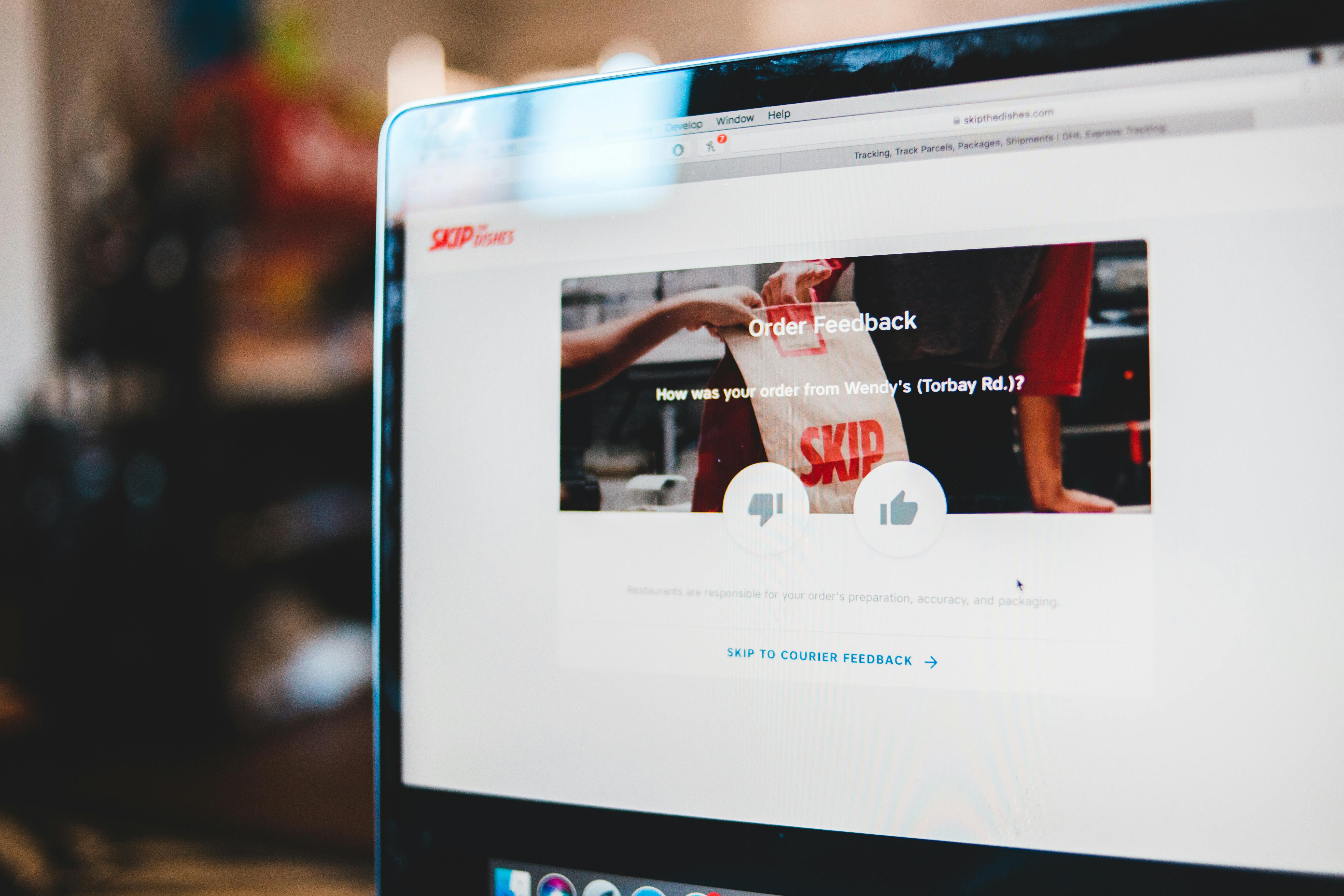
Step 4: Ask Clearly and Sincerely—Without Pressure
Show your customers that their opinion matters. Effective scripts include:
- “If you enjoyed your experience with us, would you mind leaving a quick review? Honest feedback helps us grow.”
- “Thanks for being a loyal customer! Can I email you a link to leave a review when it’s convenient for you?”
Always make it clear that leaving a review is voluntary and appreciated. Personalize where possible, and send requests soon after the positive interaction. Use a single gentle reminder only if you haven’t received a response.
Step 5: Use Light Automation
Consistency drives results. Automation helps you:
- Send review requests automatically after appointments or purchases.
- Follow up with a reminder a few days later (for willing contacts only).
- Manage responses and track which leads result in reviews.
Lakeshore Local SEO offers review management with automated email and SMS review requests, as well as dashboard analytics—critical for scaling review collection while respecting customer boundaries and privacy.
Step 6: Incentivize Honestly, Stay Compliant
Avoid prohibited tactics like rewarding only positive reviews or pressuring for five stars. Instead, acceptable strategies include:
- Running a general drawing (for all who leave honest reviews) with a chance to win a small gift card.
- Charity tie-ins (“For every review, we’ll donate to a local cause”).
Make clear that you want candid feedback, not just glowing comments—this builds authenticity and complies with platform guidelines and consumer laws.
Step 7: Use Discreet In-Store Prompts
- Counter displays (“Love your visit? Leave us a review!” plus QR code)
- Receipts: “We value your experience. Share feedback: [short URL]”
- Post-appointment cards or thank you postcards with review requests and QR codes.
Physical reminders work especially well for high-touch local businesses. Keep the tone light and appreciative instead of demanding.

Step 8: Respond Publicly and Promptly to Reviews
Customers are more likely to leave feedback if they see you read and value it. Reply to all reviews, good or bad, within a few days. For positive posts, thank the customer and reference details. For critical ones, express your concern and invite them to contact you privately—this builds trust with readers and signals you care.
Step 9: Showcase Reviews Across Your Channels
- Highlight reviews on your website homepage and key service pages.
- Share quotes on social media giving a subtle nudge for new customers to leave theirs.
- Add top reviews to marketing emails or newsletters with a simple “Share your experience” link.
This normalizes reviewing you as part of your regular communication, not a hard sell.
Step 10: Track Results and Continuously Improve
Keep a log of:
- Number of reviews per month by platform
- Average star rating
- Your response time to new feedback
- Common compliments or issues raised by customers
Many businesses use a basic spreadsheet, but full review management tools—and services provided by Lakeshore Local SEO—give you interactive dashboards, response tracking, and trend analysis so you can spot patterns and fine tune your strategy.
Best Practices for Encouraging Reviews Respectfully
- Always ask politely and just once per customer per experience.
- Never offer rewards for only positive feedback.
- Be transparent about why reviews matter (to help neighbors find you and improve your services).
- Provide multiple review options so customers can choose their preferred platform.
- Showcase genuine reviews to set customer expectations and inspire others to share their stories.
- Respond to every review to demonstrate respect and engagement.
This approach protects your reputation and builds a long-term review pipeline.
A 14-Day Review Growth Plan from Lakeshore Local SEO
Days 1-3: Foundation
- Claim and verify Google Business Profile and other key platforms.
- Get your direct Google review link and add it to your records.
- Create templates for review requests (email, SMS, in-person).
- Train your team on the right moments to ask.
Days 4-7: Initial Outreach
- Ask 1-2 happy customers per day for a review and send the direct link.
- Add your review link or QR code to receipts, invoices, and store signs.
Days 8-14: Automate and Refine
- Set up email or SMS automation to send a thank-you/request after jobs or purchases.
- Send a one-time reminder to non-responders after 7 days.
- Track every new review and reply publicly.
Businesses that follow this process often see reviews double or triple within the first 30-60 days and continue to grow with minimal ongoing effort. For personalized support, Lakeshore Local SEO offers monthly review management and local SEO services tuned to your business goals and comfort level.
Frequently Asked Questions (FAQ)
How do I politely ask customers for reviews?
Express appreciation for their business and ask for honest feedback at a natural point (such as after a successful experience). For example: “It would mean a lot if you shared your thoughts in a quick review. Can I send you the link?” Always keep it voluntary and never pressure repeat requests.
Which platform is best for local business reviews?
Google Business Profile is most critical for local search visibility. Depending on your industry, Yelp, Facebook, and sector-specific directories can also be important. Claim all relevant profiles so every customer finds their preferred platform.
Can I offer rewards for leaving a review?
Most review platforms prohibit incentives for positive reviews. Instead, run general drawings or charity tie-ins for all honest feedback. Always comply with platform policies and local consumer laws.
How often should I ask customers for reviews?
Ask only once per customer per transaction or visit. You may send one gentle reminder, but avoid further messages to respect privacy and avoid being spammy.
Do I need to respond to all reviews?
Yes, replying to every review signals care and improves future response rates. Thank positive reviewers and address concerns from critical feedback calmly and constructively.
How can I track and manage reviews efficiently?
Many businesses start with a manual spreadsheet, but review management solutions from Lakehore Local SEO provide dashboards, alerts, and automated requests that simplify tracking and response.
Is there a risk of getting fake reviews? What should I do?
If you see suspicious or fraudulent feedback, flag it through the relevant platform. Do not attempt to generate fake reviews under any circumstances. Authentic, organic reviews build trust over time.
Conclusion
Encouraging more customer reviews is not about quotas—it is about creating a culture of appreciation and feedback. With the right timing, tools, and attitude, your customers will gladly share their experiences and help your business shine in local search results.
If you would like expert support to design a review system that respects your customers and elevates your brand, explore our Review Management solutions or request a free Local Search Report today. At Lakeshore Local SEO, we are committed to helping local businesses thrive through authentic, sustainable growth strategies aligned with your values and goals.